
Recommended storage option
STA-BIL Storage Fuel Stabilizer
A practical storage option when used with fresh fuel and your generator manufacturer’s storage procedure.
Check Price on Amazon
Portable generators are relatively simple machines, but a few common ownership mistakes can lead to expensive repairs, electrical problems, or serious safety hazards. These are five problems worth preventing before the next outage.
Keep testing with us
Subscribe to Fennell Tested on YouTube for more real-world answers beyond the specs, and follow us for new tests, updates, and behind-the-scenes content.
Useful generator ownership gear
One item below is demonstrated in the Fennell Tested video. The others are clearly marked recommendations selected for the ownership and safety problems covered in this guide.
As an Amazon Associate I earn from qualifying purchases.
A practical storage option when used with fresh fuel and your generator manufacturer’s storage procedure.
Check Price on Amazon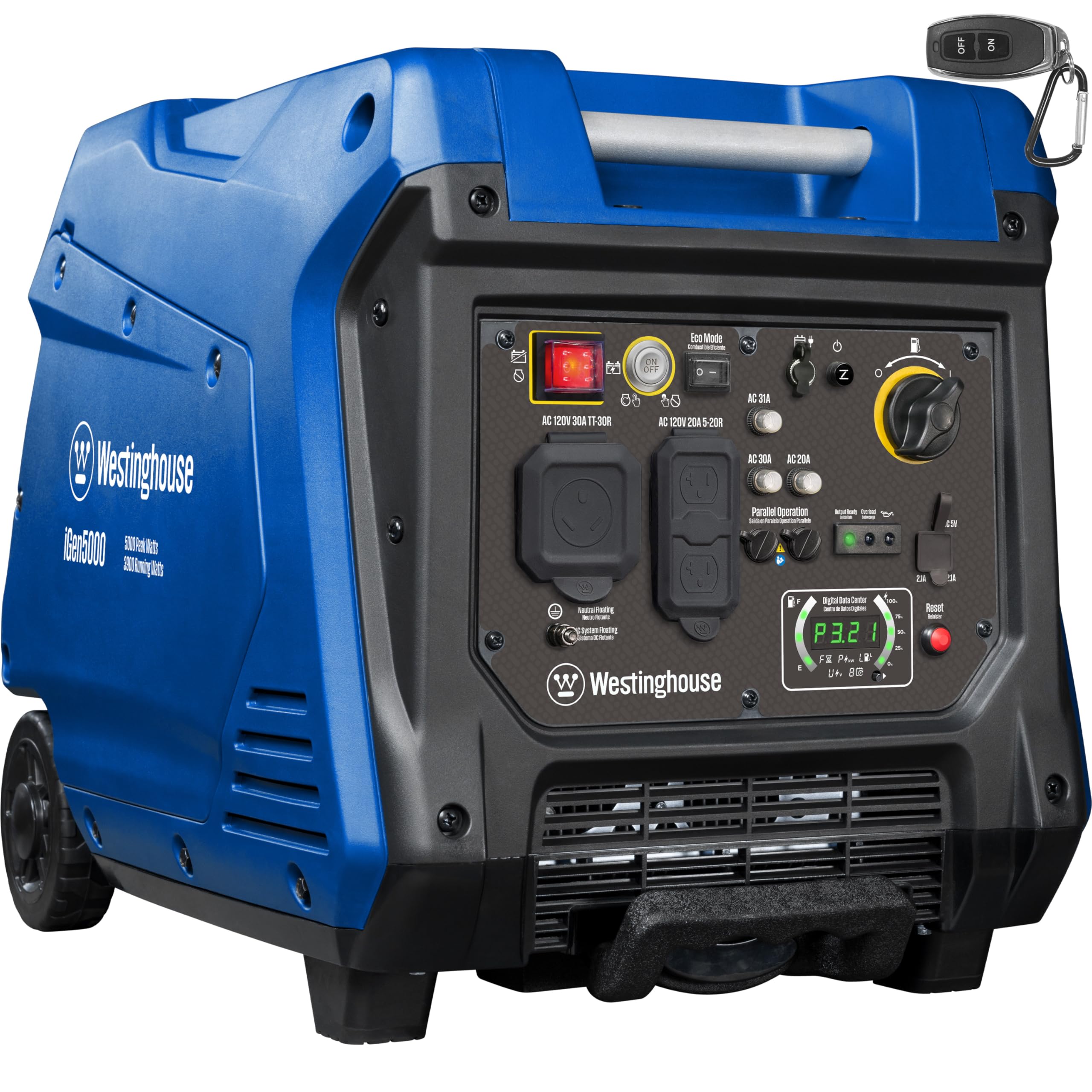
A recommended inverter-generator alternative; this is not the exact generator shown in the video.
Check Price on Amazon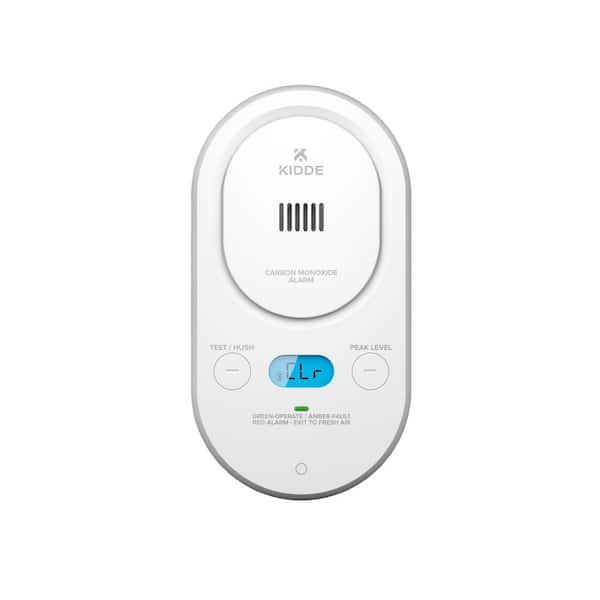
A useful additional warning layer in the home, never a substitute for safe outdoor generator placement.
Check Price on Amazon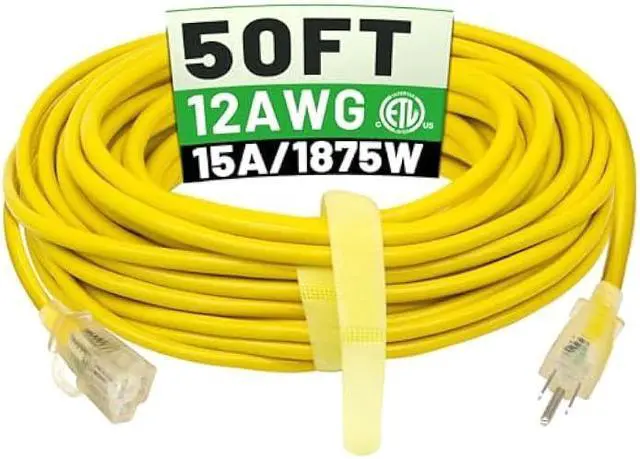
A heavy-duty outdoor cord option for loads that fit the cord and generator ratings.
Check Price on Amazon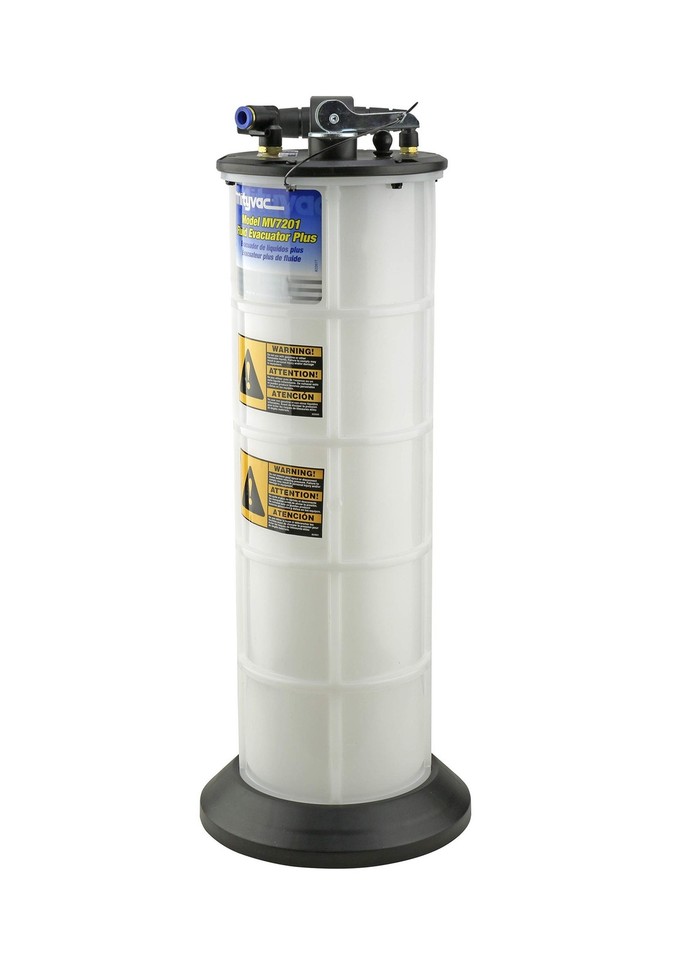
The fluid extractor demonstrated by Fennell Tested for removing old fuel during generator maintenance.
Check Price on AmazonReal-world answers beyond the specs
A portable generator can sit quietly for months and then be expected to start, carry a real load, and run for hours. The best time to prevent trouble is before the power goes out—not while you are already depending on the machine.
Gasoline that sits for a long time can create carburetor and fuel-system problems. A generator may look ready in the garage, but stale fuel can leave it hard to start, running poorly, or needing repair when an outage finally arrives.
Before long-term storage, drain or remove the fuel if your manual calls for it, or follow the generator manufacturer’s complete storage procedure. Fuel stabilizer can be useful when it is added to fresh fuel and used as directed, but it does not replace the storage instructions for your specific machine.
Damaged insulation, loose plug ends, and corroded connections are more than cosmetic problems. Poor connections increase electrical resistance, and resistance creates heat. An undersized cord can also run hot and cause excessive voltage drop under load.
Use an outdoor-rated extension cord that is appropriately sized for the connected load and cord length. Inspect the full cord, plugs, and receptacles before use, keep connections dry, and retire cords with heat damage, cuts, loose ends, or significant corrosion.
A generator can sit unused for months and then suddenly be asked to run for many hours. That makes a quick oil-level check and routine maintenance cheap protection against engine damage.
Check the oil on level ground before operation and follow the manufacturer’s oil type, change interval, air-filter, spark-plug, and other maintenance instructions. During extended operation, follow the manual’s guidance for stopping and rechecking the machine safely.
Never connect a portable generator to a home with a double-male “suicide cord” or another improvised backfeeding setup. Improper backfeeding can energize wiring unexpectedly, create electrocution and fire hazards, damage equipment, and endanger utility workers.
A generator inlet by itself is not the complete safety system. Home connection requires properly selected and installed transfer or interlock equipment that prevents generator power and utility power from being connected at the same time. Use a qualified electrician and follow local electrical codes and utility requirements.
Never run a portable generator inside a home, garage, basement, shed, or other enclosed space—even with doors open. Carbon monoxide is colorless and odorless, and opening a door does not make an enclosed generator setup safe.
Operate the generator outdoors and position it according to the manufacturer’s guidance, away from doors, windows, vents, and other openings where exhaust could enter. Working carbon monoxide detectors add another layer of warning inside the home, but they are not a substitute for safe generator placement.
Safety Disclaimer
This article and video are for general informational and educational purposes only. Always follow your generator manufacturer’s instructions and all applicable local electrical and safety codes. Never operate a portable generator indoors or in an enclosed space, and never backfeed a home electrical system without properly installed transfer or interlock equipment. When in doubt, use a qualified electrician or other appropriate professional.